


Filing a Lawsuit After an Uber or Lyft Accident: A Practical Guide
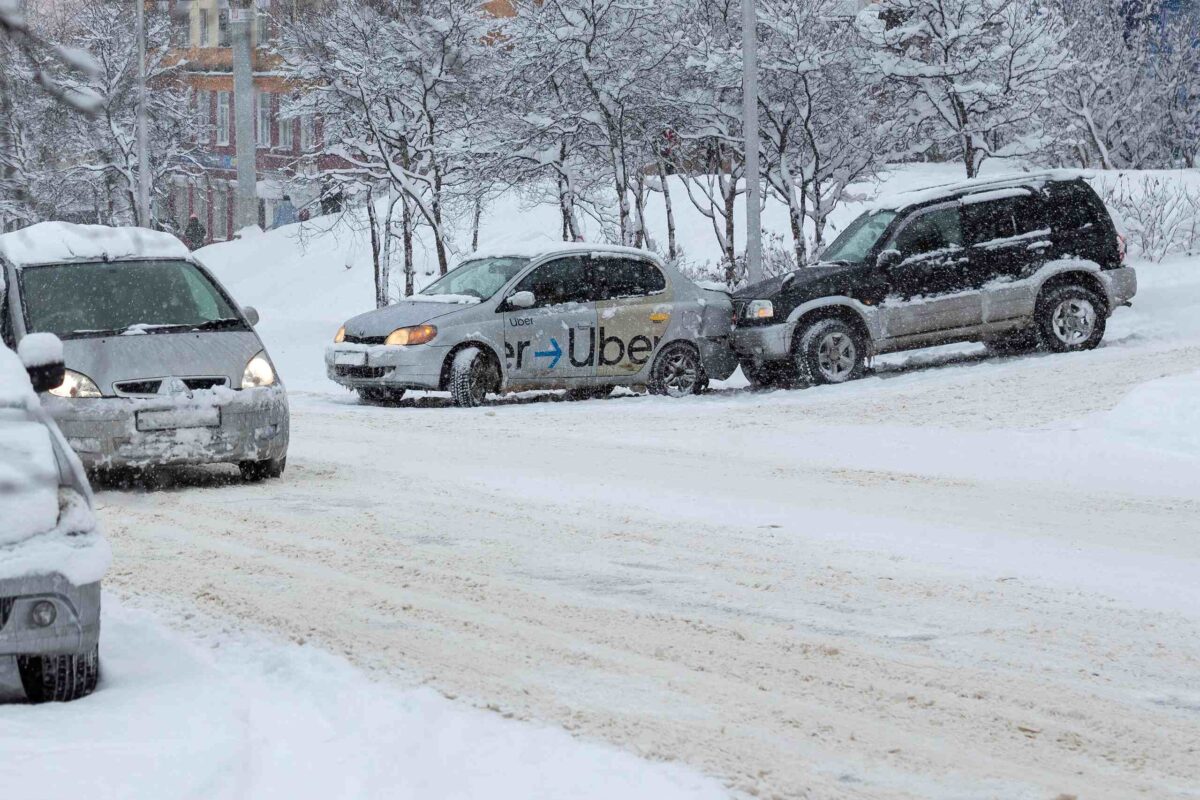
Filing a lawsuit after an Uber or Lyft car accident is possible, but it is fundamentally different from a regular car crash. The entire case hinges on the driver’s “status” in the app at the exact moment of impact.
Most people assume that because the transaction happens through a well-known app, the company is automatically on the hook. In reality, these massive tech companies classify their drivers as independent contractors specifically to create distance between themselves and the consequences of a collision.
But that doesn’t mean you are without options. Layered corporate insurance policies exist for these exact situations. At Fannin Litigation Group, we have years of experience identifying the circumstances that trigger these policies to cover your medical costs, lost wages, and pain.
If you are staring at a growing pile of medical bills while dealing with an unresponsive app support chat, your frustration is warranted. Call us at 509-328-8204. We will clarify your options and provide a clear path forward.
Key Takeaways for Rideshare Accident Lawsuits
- The driver’s app status determines insurance coverage. This single detail dictates whether you file a claim against the driver’s personal policy or the rideshare company’s multi-tiered commercial insurance.
- Multiple parties may be at fault. Liability is not always straightforward and could involve your rideshare driver, the company itself, or another motorist on the road.
- Washington’s comparative negligence law helps your claim. You may still recover damages even if you are found partially at fault for the accident, making it essential to evaluate every contributing factor.
Why Rideshare Accidents Are Legally “Messy”
You hailed a ride from a car with a company logo on the dashboard, paid through their app, and now you’re being told the driver is essentially a stranger to the company. It’s a confusing and frustrating position to be in.
This situation is engineered through a legal concept called vicarious liability. In simple terms, an employer is typically responsible for the actions of its employees while they are on the clock. But by classifying drivers as independent contractors, rideshare companies attempt to sidestep this responsibility for a driver’s negligence.
Because of this, seeking compensation isn’t as simple as suing the driver, who likely only carries a minimum personal insurance policy. Our objective is to prove that the specific circumstances of your accident trigger the company’s much larger supplemental commercial insurance policy. This is the key to securing the financial recovery necessary for your injuries.

The “Three Phases” of Insurance Coverage
Your rights after an Uber or Lyft accident come down to which insurance “phase” or “period” the driver was in when the crash occurred.
Period 0: App is Off
When the driver’s app is off, they are considered a private citizen. Uber or Lyft provides no insurance coverage. Any claim must be filed against the driver’s personal auto insurance. However, many personal policies contain a “business use exclusion,” meaning they might deny the claim if they discover the driver was roaming while waiting for a ride request.
Period 1: App is On, Waiting for a Ride Request
This is a notorious danger zone. The driver is officially working, but has not yet accepted a ride. The rideshare company’s contingent liability coverage applies here, but the policy limits are lower, providing less coverage than the full commercial policy.
Periods 2 & 3: Ride Accepted & Passenger in Car
From the moment the driver accepts your ride request (Period 2) until you are dropped off (Period 3), you are covered by the company’s full commercial liability policy. This is typically a $1 million policy.
Determining Who Is Actually at Fault
The Multi-Party Chaos
Your accident might involve claims against several different parties at once:
- The rideshare driver whose car you were in.
- The rideshare company, if their hiring practices or app design were negligent.
- Another driver who may have hit your Uber or Lyft.
Comparative Negligence in Washington
Washington follows a legal rule known as “pure comparative negligence.” As defined in RCW 4.22.005, this means you can recover damages even if you are partially at fault. For instance, if an investigation finds the Uber driver was 20% at fault and another vehicle was 80% at fault, that 20% is our entry point to pursue a claim against the rideshare company’s commercial policy. Even a small degree of fault makes a significant difference.
Steps to Take (From Your Living Room)
The police report is filed and you’re back home, trying to figure out what’s next. Here’s what you should do:
- Preserve the Digital Trail: Open the app immediately and take screenshots of your ride receipt, the route map, the driver’s profile, and any communication you had. This digital evidence sometimes vanishes, so capture it immediately to protect your claim.
- Seek Medical Documentation: Go to an urgent care clinic or your primary doctor, even if you just feel “sore.” Adrenaline from a crash masks serious injuries. Insurance adjusters typically view a delay in seeking medical treatment as an indication that you weren’t truly hurt.
- Silence is Golden: Do not give a recorded statement to an insurance adjuster from the rideshare company or any other party. Their job is to protect their company’s financial interests, and they are trained to ask questions that might lead you to unintentionally hurt your own claim.
Frequently Asked Questions About Rideshare Accident Lawsuits
What if the Uber driver hit me while I was walking?
Your ability to file a claim depends entirely on the driver’s app status. If the app was on and they were waiting for or en route to a passenger, the company’s insurance should apply. If the app was off, you must file a claim against the driver’s personal insurance policy.
The insurance company offered me a quick check. Should I take it?
It is rarely a good idea. Initial settlement offers are almost always calculated to be less than the eventual total of your medical bills and lost wages. Once you accept and sign a release, you give up your right to ask for more money later, even if your injuries turn out to be more serious.
Who pays my medical bills while the lawsuit is pending?
Your own Personal Injury Protection (PIP) coverage on your auto policy or your personal health insurance will typically cover immediate medical costs. They are then reimbursed from the final settlement or award.
How much does it cost to hire a lawyer for this?
At Fannin Law, we handle these cases on a contingency fee basis. This means we only get paid if we successfully recover money for you. There are no up-front costs.
Don’t Let an App Dictate Your Recovery
You didn’t ask to be injured, and you certainly didn’t ask to be trapped in a confusing bureaucratic loop with a multi-billion dollar technology company.
These companies employ aggressive legal teams dedicated to minimizing payouts and protecting their bottom line. You need someone on your side whose only job is to protect your health and your future.
We handle the cumbersome paperwork, the difficult phone calls with adjusters, and the legal negotiations. Your only job should be to focus on healing.
If you have questions about a rideshare accident in Spokane or anywhere in Washington, call Fannin Law today at 509-328-8204 for a no-obligation consultation. Let’s review your case and get you moving forward.
