


Category: Personal Injury
Category: Personal Injury
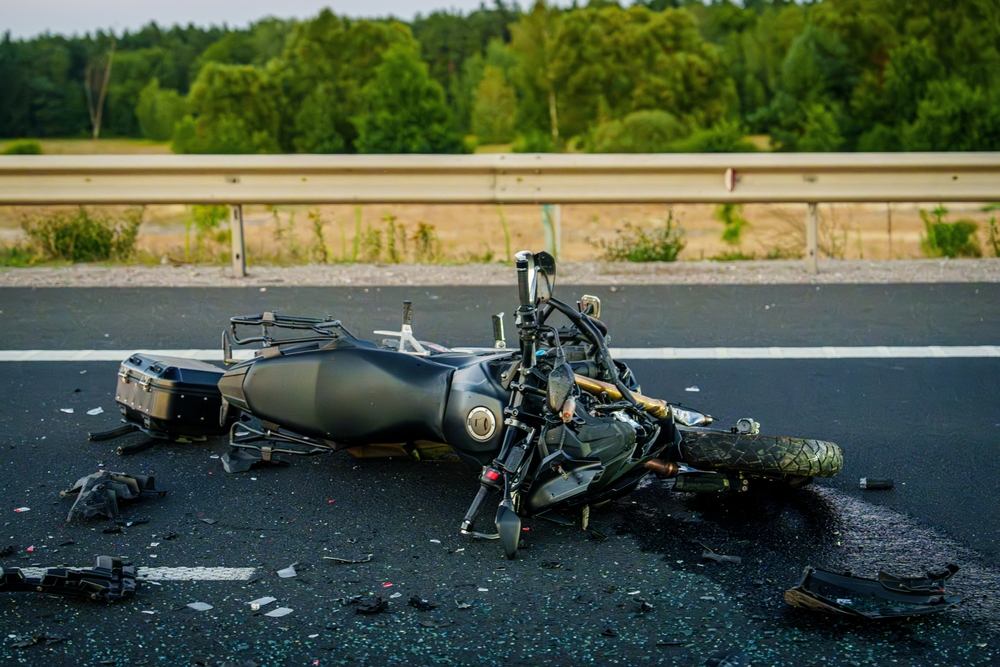
Wrongful Death on Two Wheels: Specific Rights for Motorcycle Families
- July 9, 2026
- Personal Injury
Losing a close relative in a motorcycle crash doesn't just leave a hole in your family. It leaves unanswered questions about money, legal rights, and what comes next. A motorcycle wrongful death lawyer in Spokane can help your family hold the at-fault party accountable and recover compensation that reflects the full scope of what you've lost. [ ... ]

Uber & Lyft in Spokane: The “Insurance Gap” That Leaves You Exposed
- July 8, 2026
- Personal Injury
Spokane's busy Monroe Street corridor, downtown congestion, and steady rideshare traffic flowing to and from Spokane International Airport mean Uber and Lyft vehicles are everywhere. For anyone hurt in a rideshare crash, that convenience can mean landing inside an insurance structure that was deliberately designed to be confusing.[ ... ]
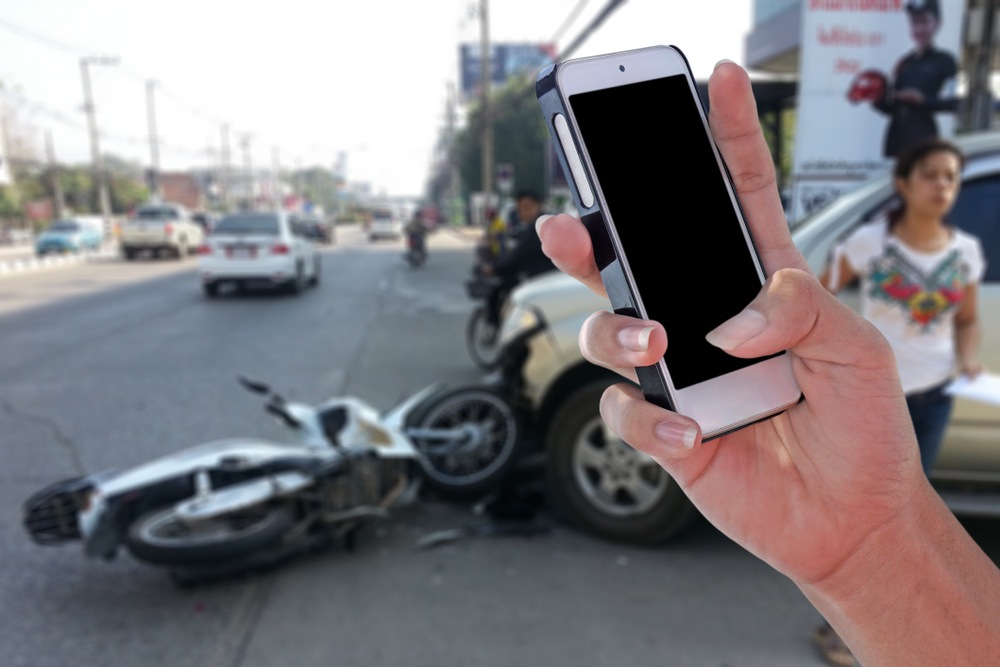
Assumption of Risk: Why Insurance Denies Motorcycle Claims
- July 7, 2026
- Personal Injury
Insurance companies deny motorcycle claims more often than most riders expect, and the reason isn't always what you'd think. When another driver cuts you off, runs a red light, or turns left without checking their mirror, you might assume liability is obvious. But insurers routinely point the finger back at you. If you were involved in one of those situations and are now dealing with pushback from[ ... ]
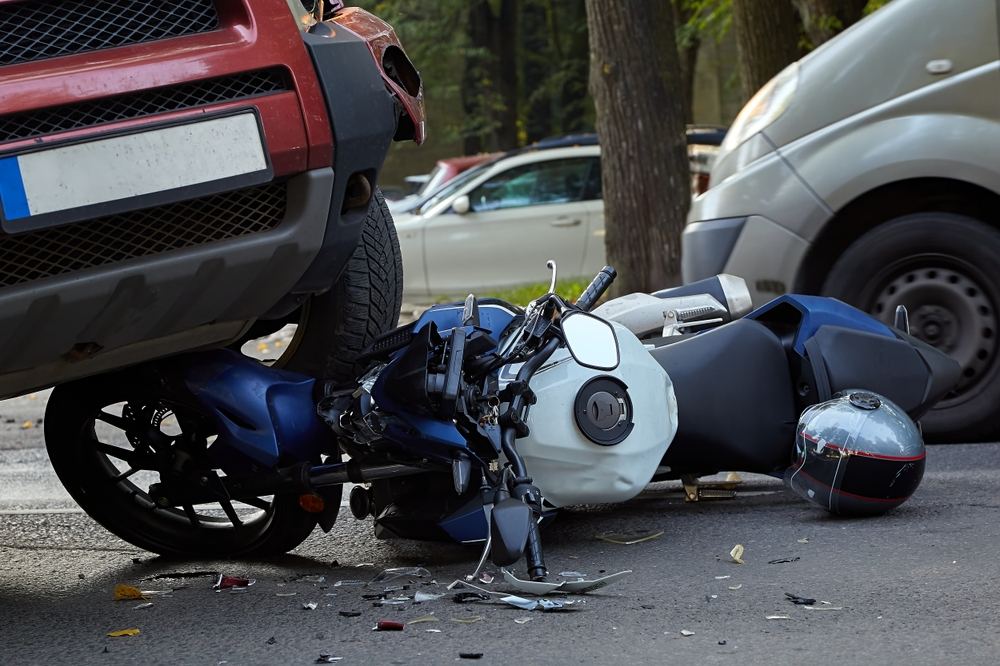
Why “Average” Payouts Don’t Matter: Valuing Your Motorcycle Accident Case
- July 6, 2026
- Personal Injury
The average motorcycle accident settlement in Washington tells you almost nothing useful about what your case is worth. Averages lump together fender-bender claims and catastrophic crashes, minor road rash and amputations. If you were seriously hurt on Spokane's streets, or if you lost someone you love, your case belongs in a different conversation alt[ ... ]

The “Multiplier” Myth: How Washington Courts Actually Calculate Damages
- May 25, 2026
- Personal Injury
If you were hurt in Spokane because of someone else's negligence, you may have heard that your pain and suffering award will be two or three times your medical bills. That number sounds clean and simple, but it does not reflect how Washington law actually works. Using a pain and suffering calculator in Washington[ ... ]

The Demand Letter Strategy: Determining Your Maximum Settlement
- May 20, 2026
- Car Accidents Personal Injury
A car accident or injury caused by someone else's negligence leaves you dealing with real, immediate consequences: medical bills, missed work, and physical pain that affects everything you do each day. If you're trying to figure out how much to ask for in a settlement, using a car accident settlement calculator in Washington[ ... ]

The “Invisible” Injury: Why You Need a Lawyer for a “Mild” Concussion
- May 15, 2026
- Personal Injury
A concussion doesn't always look serious from the outside. You might walk away from a car accident on North Division Street or a slip-and-fall at a Spokane grocery store feeling shaken but okay. Then the headaches start. The brain fog sets in. You struggle to concentrate at work, and bright lights make you wince. If[ ... ]

The Contingency Fee Explained: Hiring a Personal Injury Attorney with No Upfront Cost
- April 20, 2026
- Personal Injury
After suffering an injury someone else caused, many people assume hiring a lawyer is out of reach. Medical bills start piling up, time off work adds pressure, and legal help feels like another expense you can’t handle. Questions about the cost of a personal injury lawyer in Washington often stop people from ev[ ... ]

Road Rash and Loss of Enjoyment: Valuing Motorcycle Pain & Suffering
- April 15, 2026
- Personal Injury
Motorcycle crashes leave marks that go far beyond bruises. Riders often lose more than mobility; they lose routines, hobbies, and independence. Early conversations about a motorcycle accident settlement in Washington should reflect that reality. Washington law recognizes these deeper losses, including the inability to return to riding, hiking, or skiin[ ... ]

Overcoming Biker Bias: How Personal Injury Attorneys Fight for Motorcyclists in Spokane Courts
- April 10, 2026
- Personal Injury
Motorcyclists often walk into courtrooms carrying an unfair label before any evidence appears. Many jurors assume riders take more risks than drivers, which can quietly shape how a case unfolds. A motorcycle accident lawyer in Spokane works to break that assumption using facts, not stereotypes. Strong legal advocacy shifts attention back to what truly[ ... ]
