


Beyond the Driver: A Guide to the Chain of Liability in a Washington Truck Wreck
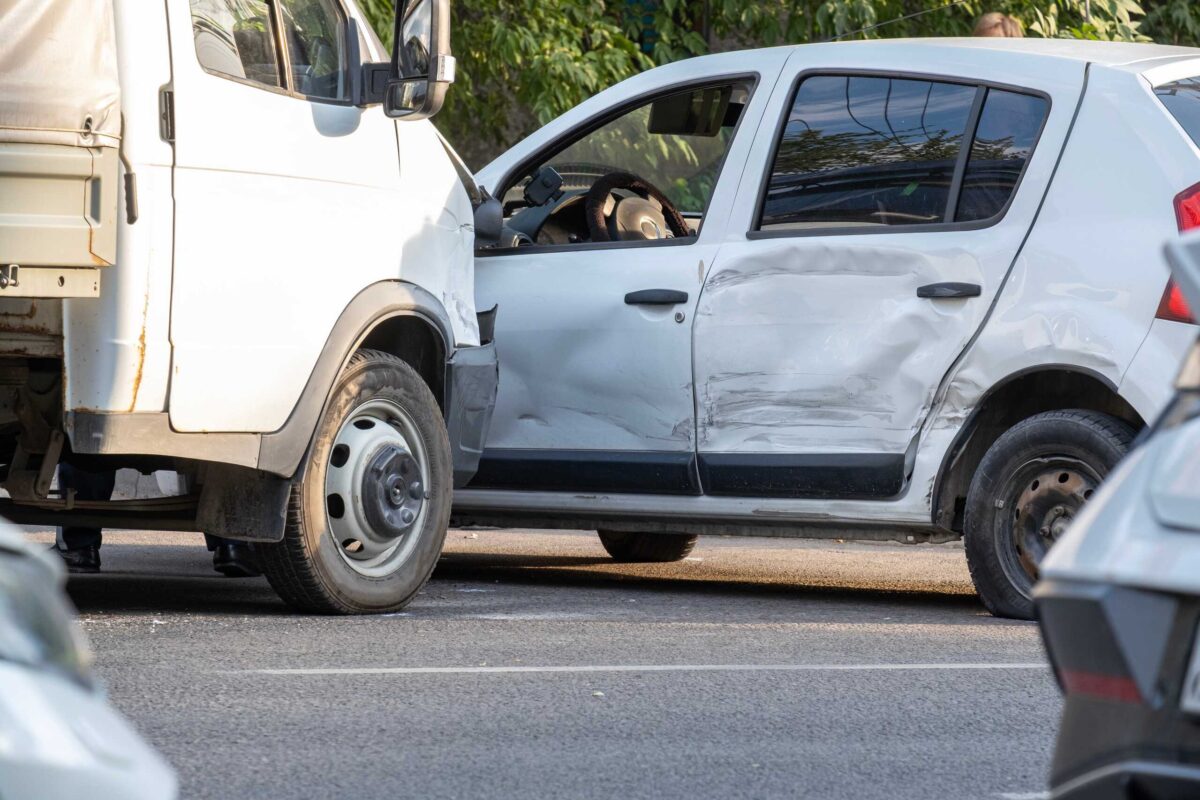
Understanding who is liable for a truck accident in Washington involves looking beyond the person behind the wheel. Commercial trucking operations include multiple parties whose actions or failures may contribute to a collision on highways like I-90 through Spokane.
When a semi-truck causes serious injuries, the driver often represents just one link in a longer chain of responsibility. Trucking companies, maintenance providers, cargo loaders, and others may share liability depending on what led to the crash. Identifying all responsible parties helps strengthen your claim and opens additional paths to pursue compensation.
Key Takeaways for Truck Accident Liability in Washington
- Washington follows a pure comparative fault system under RCW 4.22.005, allowing recovery even when fault is shared among multiple parties.
- Motor carriers may face liability for driver negligence under vicarious liability principles and for their own failures in hiring, training, or supervision.
- Freight brokers and shippers may bear responsibility when they select unqualified carriers or create unsafe loading conditions.
The Truck Driver’s Direct Responsibility
Most truck accident investigations begin with the driver’s conduct. Federal regulations limit how long commercial drivers may operate vehicles, and violations of these rules may contribute to serious collisions.
Hours-of-Service Violations and Fatigue
The FMCSA restricts commercial drivers to 11 hours of driving after 10 consecutive hours off duty. Drivers must also take a 30-minute break after eight cumulative hours behind the wheel.
When drivers exceed these limits, fatigue impairs reaction time and judgment. Electronic Logging Devices (ELDs) track driving hours automatically, creating records that may reveal violations.
Distracted or Impaired Driving
Like any motorist, truck drivers bear direct responsibility for reckless behavior. Texting, using GPS devices, or driving under the influence creates liability for the driver personally.
Evidence of impairment or distraction may be found through post-accident drug testing, cell phone records, or witness statements. These factors establish the driver’s negligence in causing the collision.
Motor Carrier Liability: Suing a Trucking Company
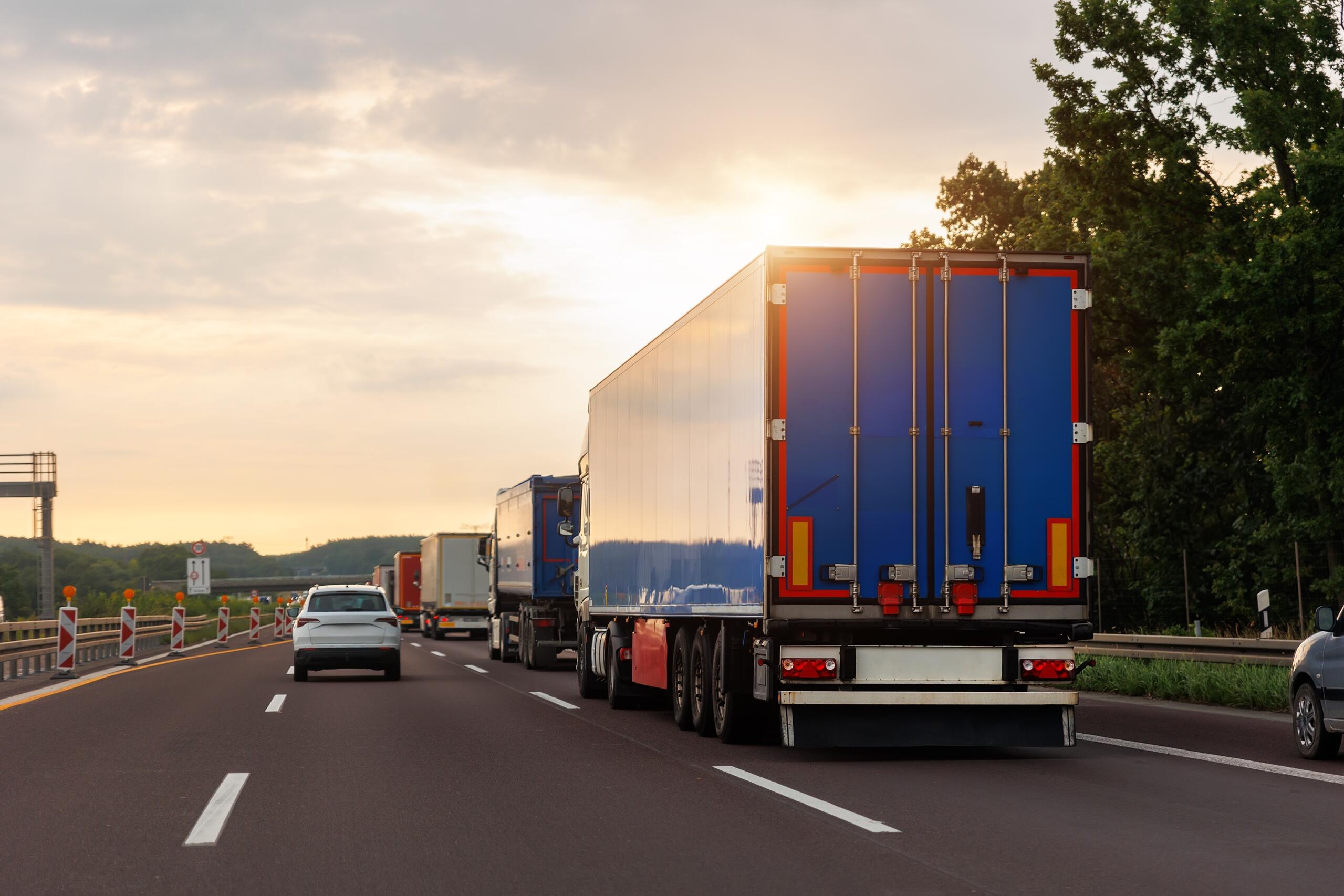
The trucking company, legally called the motor carrier, may hold significant responsibility for crashes involving their vehicles and drivers. Their liability stems from both their relationship with the driver and their own operational failures.
Vicarious Liability for Driver Actions
Under the legal doctrine of respondeat superior, employers bear responsibility for employee actions performed within the scope of employment. When a truck driver causes a crash while performing job duties, the motor carrier typically shares liability.
This principle matters because trucking companies carry substantially larger insurance policies than individual drivers. Federal regulations require motor carriers to maintain at least $750,000 in liability coverage for most commercial vehicles, with higher requirements for hazardous materials and larger trucks. Washington State may impose additional coverage requirements based on vehicle type and cargo.
Negligent Hiring and Supervision
Trucking companies have independent duties to hire qualified drivers and monitor their performance. A motor carrier that hires a driver with a problematic safety record may face direct liability for negligent hiring.
- The following failures may establish trucking company negligence:
- Failing to verify a driver’s qualifications, medical certifications, or driving history before hiring
- Ignoring patterns of safety violations or complaints about driver behavior
- Pressuring drivers to exceed hours-of-service limits to meet delivery deadlines
- Failing to provide adequate training on cargo securement or hazardous conditions
These independent failures create liability separate from the driver’s conduct. Proving such negligence requires access to the carrier’s driver qualification files and internal communications.
Third-Party Maintenance Company Liability
Commercial trucks require regular inspection and maintenance to operate safely. When a trucking company outsources this work, the maintenance provider may share liability if their negligence contributes to a crash.
Brake Failures and Mechanical Defects
Brake system failures cause a significant portion of serious truck accidents. A mechanic who performs inadequate repairs or overlooks obvious defects during inspections may bear responsibility. Maintenance records and inspection reports may reveal whether service providers followed proper procedures.
Tire and Component Failures
Worn tires, defective steering components, and faulty lighting create dangerous conditions on highways. When these failures result from negligent maintenance rather than manufacturing defects, the service provider faces potential liability.
Freight Broker and Shipper Responsibility
The companies that arrange transportation and load cargo play important roles in trucking safety. Their decisions may create liability when crashes result from their negligence.
Negligent Carrier Selection
Freight brokers connect shippers with motor carriers. When a broker selects a carrier with a poor safety record or inadequate insurance, courts may hold the broker partially responsible for resulting accidents.
Brokers have access to carrier safety ratings and violation histories through the FMCSA database. Failing to review this information before hiring a carrier may establish negligence.
Improper Loading and Cargo Securement
Shippers and dock workers bear responsibility for loading cargo safely. Overweight loads, improperly secured freight, and unbalanced cargo distribution contribute to rollovers and loss-of-control accidents.
Federal regulations under 49 CFR Part 393 establish cargo securement requirements. Violations of these standards may help prove negligence against parties responsible for loading.
Vehicle and Parts Manufacturer Liability
Sometimes the truck or its components fail due to design or manufacturing defects rather than maintenance failures. In these situations, product liability claims may apply.
Defective Brakes, Tires, or Safety Systems
Manufacturers must produce components that perform safely under normal operating conditions. A tire that fails prematurely or a braking system that malfunctions may trigger manufacturer liability.
Product liability claims require different evidence than negligence claims. Technical analysis of the failed component often proves essential to establishing a manufacturing or design defect.
How Investigations Reveal the Chain of Liability
Determining who is liable for a truck accident in Washington requires a thorough investigation. Multiple evidence sources help identify each responsible party.
Key evidence in commercial truck accident cases includes:
- ECM data recording speed, braking, and engine performance before the crash
- Driver logs and ELD records showing hours of service compliance
- Maintenance records documenting inspection and repair history
- Driver qualification files containing hiring records and violation history
- Load manifests showing cargo weight and distribution
Preserving this evidence quickly matters because trucking companies may legally destroy certain records after specific time periods. An attorney may send a spoliation letter demanding evidence preservation soon after a crash.

FAQ for Truck Accident Liability in Washington
What If the Truck Driver Was an Independent Contractor?
Motor carriers sometimes classify drivers as independent contractors to limit liability. However, courts look at the actual working relationship rather than labels alone. When carriers control routes, schedules, and work methods, courts may still impose vicarious liability regardless of contractor status.
How Do Multiple Liable Parties Affect My Claim?
Identifying multiple responsible parties often increases available insurance coverage. Each liable party typically carries separate insurance policies. This matters particularly when injuries are severe and a single policy is insufficient.
What Is the Time Limit for Filing a Truck Accident Claim in Washington?
Washington law under RCW 4.16.080 generally allows three years from the accident date to file a personal injury lawsuit. However, gathering evidence from trucking companies takes time, making early investigation important.
Take the Next Step Toward Answers
Truck accident cases involving multiple liable parties require careful investigation and a thorough understanding of commercial transportation regulations. Fannin Litigation Group helps injured people throughout Spokane and Eastern Washington fight for fair compensation after serious collisions.
Attorney Pat Fannin and team offer free consultations to evaluate your situation. Fees come from any recovery on a contingency basis, never from your pocket upfront. Call (509) 328-8204 or visit our contact page to schedule your consultation today.
