


Our Blog

Rear-Ended on I-90? Why the Insurance Company Might Blame You
- March 12, 2026
- Car Accidents
While Washington law generally presumes the rear driver is responsible for a collision, this presumption is not absolute. Insurance companies sometimes use defenses like sudden emergency or allegations of abrupt stopping to rebut this presumption. On a high-speed corridor like I-90, where traffic flow changes instantly, these arguments are difficult to disprove without hard data. The real danger is the application of [read more]
The First 30 Days: A Legal Timeline of Your Spokane Car Accident
- March 12, 2026
- Car Accidents
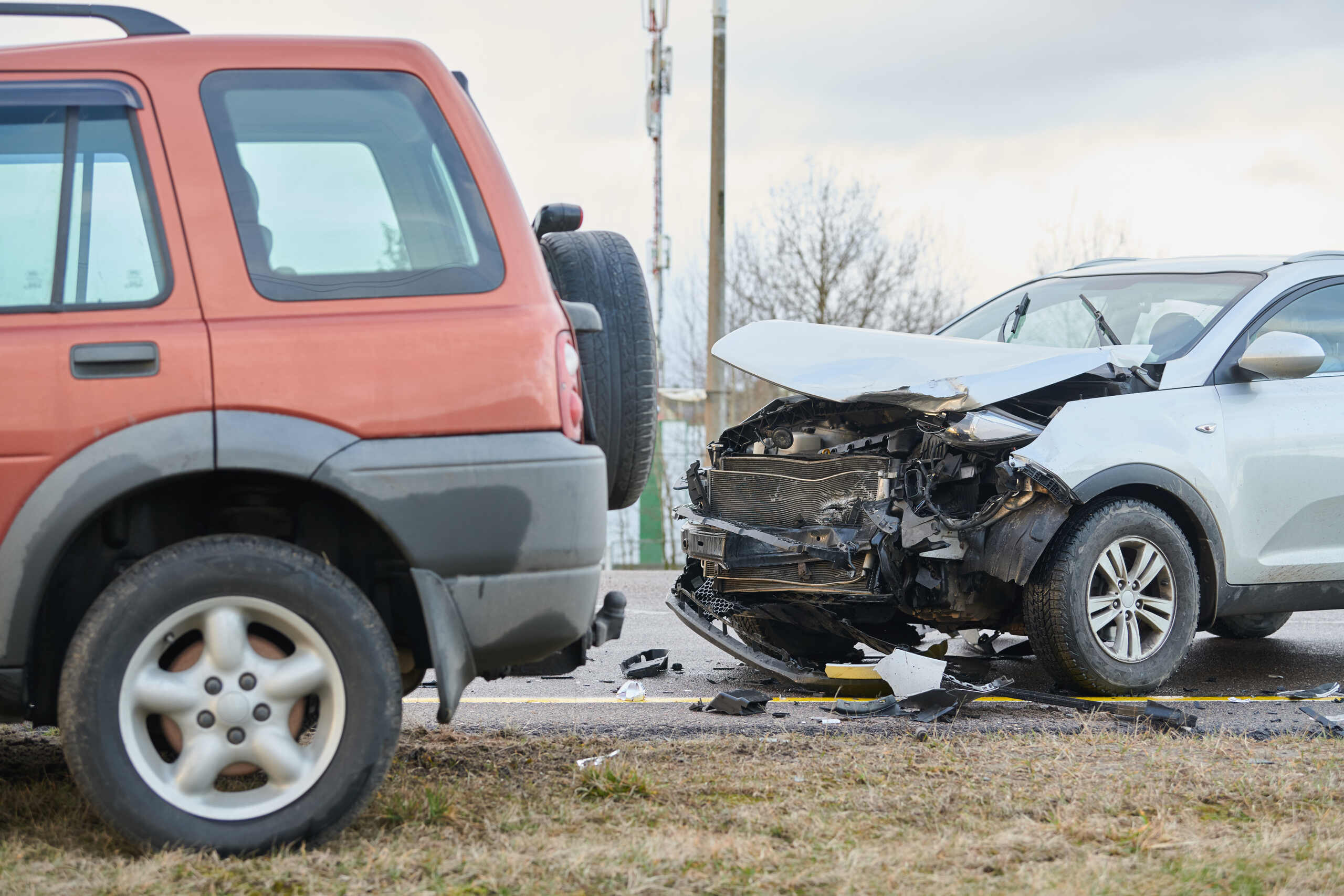
Washington state law technically gives you three years to file a lawsuit after a collision. That sounds like a long time. However, the outcome of your case is frequently determined by the evidence preserved or lost in the first 30 days. Insurance adjusters use these initial weeks to establish a narrative before you have legal counsel. They look for specific gaps in your medical treatment or inconsistencies in your reporting to devalue the claim later [read more]
T-Bone vs. Rear-End: How Impact Angle Determines Who Pays in Washington
- March 11, 2026
- Car Accidents
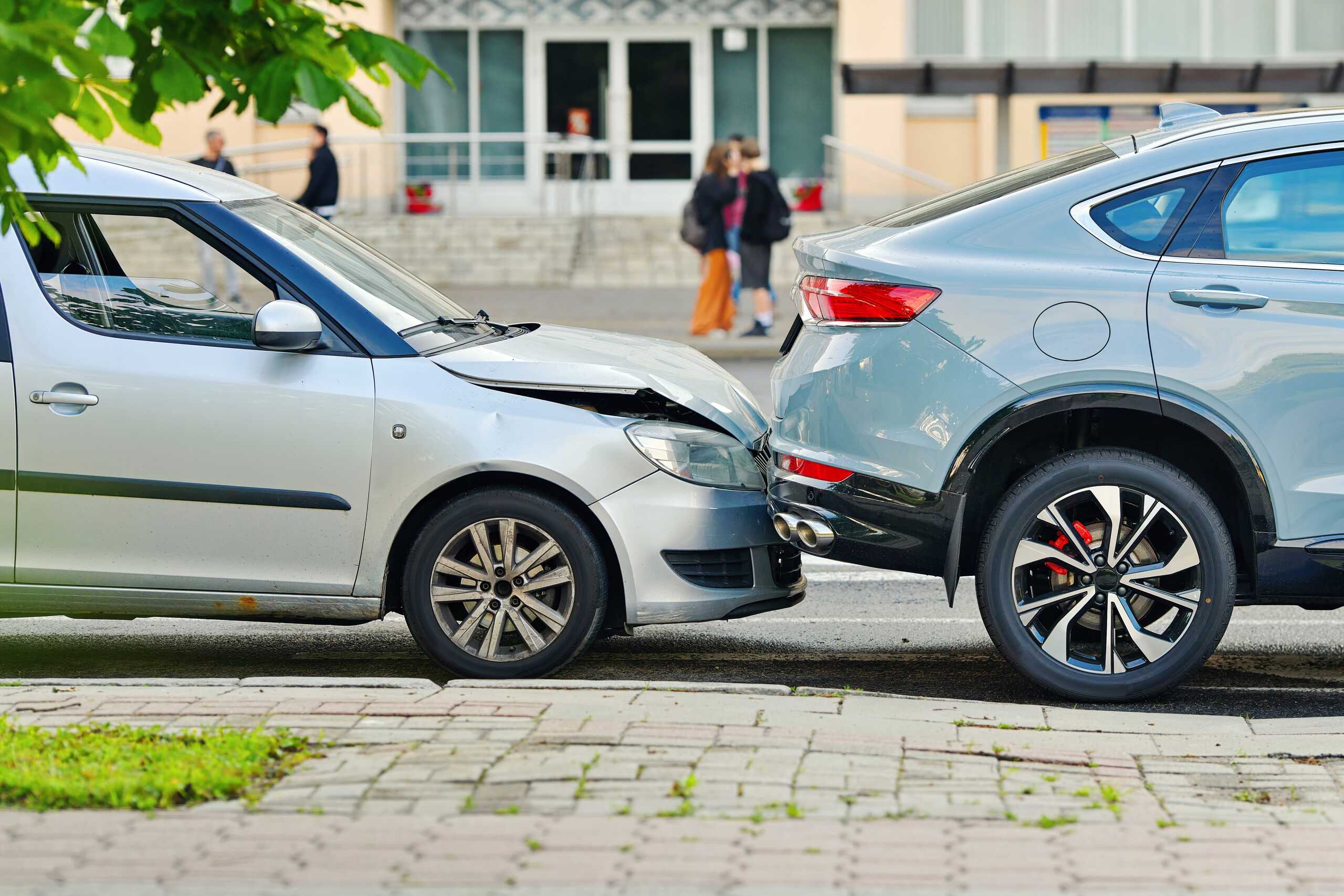
Insurance adjusters are often on a tight schedule. When a claim lands on their desk, they may look for the point of impact to assign liability quickly. They rely on the physical damage to categorize the crash into neat boxes: a simple failure to yield (T-bone) or following too closely (rear-end). This allows them to close files efficiently and move on to the next case. The problem is that this efficiency usually works against you. Relying solely on w [read more]

The Mild Concussion Myth: Why Normal Scans Don’t Show Brain Injury
- March 11, 2026
- Personal Injury
After the crash, the ER doctor ordered a CT scan, reviewed the images, and told you everything looked normal. They discharged you with instructions to rest and take over-the-counter pain medication. Yet, days later, you may experience dizziness, brain fog, nausea, or an inability to focus on simple tasks. This disconnect between a clean medical scan and your physical reality is one of the most frustrating aspects of [read more]

Trucking Logbooks on I-90: Proving the Driver Was Legal But Fatigued
- March 3, 2026
- Car Accidents
Driving along Interstate 90 through Spokane and over the passes requires total focus, yet many accidents occur because truck drivers are exhausted behind the wheel. Proving a driver fell asleep or was too tired to drive often requires looking far beyond the official electronic logbook; it involves cross-referencing GPS data, fuel receipts, and loading dock records to reveal the driver’s actual schedule. A [read more]

Mandatory Arbitration vs. Trial: The Lifecycle of a Spokane Lawsuit
- February 5, 2026
- Personal Injury
The question "Will I have to go to court?" is one of the first things injured people ask when considering legal action. In Washington State, and specifically in Spokane, the answer is often "no," or at least, "not in the way you might think." While television shows depict every case ending in a dramatic jury verdict, the reality of personal injury lawsuit steps in Washington is quite different. The vast majority of cases here are resolved through set [read more]

Notification vs. Statement: When to Call Your Insurance (And When to Shut Up)
- February 2, 2026
- Car Accidents
After a car accident, you might feel pressure to pick up the phone immediately. You may wonder whether giving a recorded statement to the insurance company is required right away. The short answer is: you generally need to notify your insurance company that a crash happened to trigger your benefits, but you should not give a detailed, recorded account of the events without legal guidance. It is natural to want to explain your side of the story. Wheth [read more]

What Is My Pain and Suffering Worth? A Guide to Non-Economic Damages in Washington
- January 15, 2026
- Personal Injury
Calculating pain and suffering in Washington involves evaluating how an injury affects your daily life, relationships, and emotional well-being. Unlike medical bills or lost wages, these non-economic damages lack receipts or invoices, making them harder to quantify but no less real. Many people assume insurers use a simple formula to determine what pain and suffering is worth. In reality, Washington law provides no mandatory calculat [read more]

Why Your Case Needs a Truck Accident Lawyer — Not a General Car Wreck Attorney
- January 15, 2026
- Car Accidents
Understanding why hiring a truck accident lawyer matters begins with recognizing how different these cases are from typical car crashes. Commercial trucking claims involve federal regulations, multiple liable parties, and evidence that general personal injury attorneys may rarely encounter. When a semi-truck collision occurs on I-90 near Spokane or along US-395 in Eastern Washington, the complexity exceeds what most car accident case [read more]
Beyond the Driver: A Guide to the Chain of Liability in a Washington Truck Wreck
- January 15, 2026
- Car Accidents
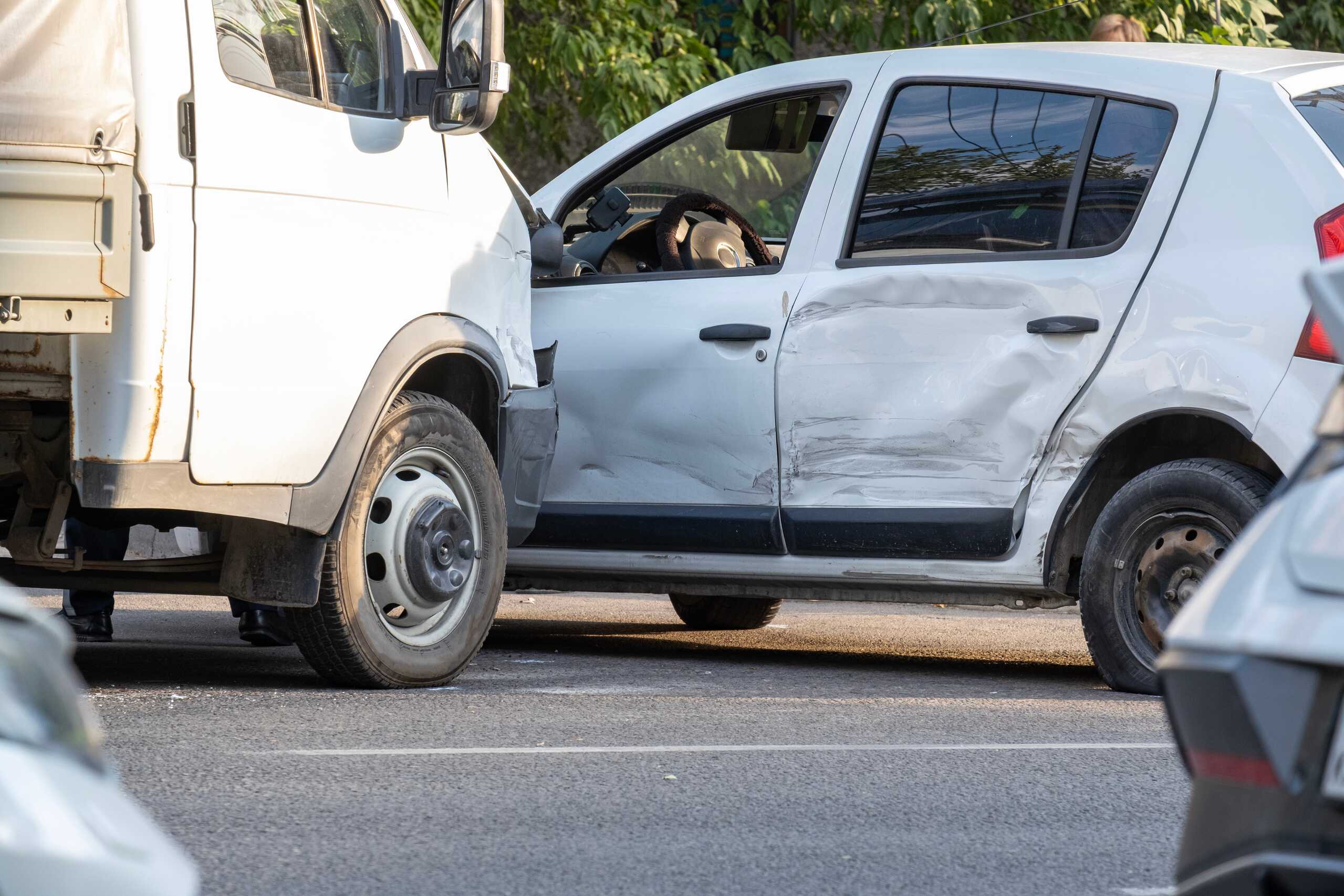
Understanding who is liable for a truck accident in Washington involves looking beyond the person behind the wheel. Commercial trucking operations include multiple parties whose actions or failures may contribute to a collision on highways like I-90 through Spokane. When a semi-truck causes serious injuries, the driver often represents just one link in a longer chain of responsibility. Trucking companies, maintenance providers, cargo [read more]